Wineries Featuring Seasonal Wine Events In Sonoma - Sebastopol Vineyard Experiences
Wineries Near Santa Rosa - Best Winery In Sonoma For Quality Wine
Wine tasting is an art that combines sensory experience with an appreciation for the nuances of various varietals. How to judge flavors in winery wine tasting periods is pivotal to greedy the complexities of wine.
Participating in a wine tasting entails greater than merely sipping and savoring. It requires a centered method to determine aromas and flavors that every wine presents. As you start, observe the wine's look, noting its colour and clarity. These visual cues often suggest a wine’s age, grape selection, and even potential flavor profiles.
The next step in the tasting course of is to swirl the wine in your glass. This action releases aromatic compounds that are vital for analysis. Lean in and take a moment to inhale deeply; the aromas can range from floral and fruity to spicy and earthy. The nostril of the wine is simply as essential because the palate, and recognizing scents plays a big position in understanding the overall experience.
When taking your first sip, allow the wine to maneuver across your palate - Off The Beaten Path Wineries In Sonoma. Discover the initial flavors that present themselves. Is the wine fruity, floral, or maybe herbaceous? This initial taste gives perception into what the wine is likely to specific as you continue to evaluate it. The mouthfeel additionally contributes to the general flavor experience; it can be silky, tannic, or even effervescent.
Wine Tasting Trails In Sonoma Valley - Wineries To Explore In Sonoma Valley
As you continue tasting, pay attention to the wine’s balance. A well-balanced wine will harmonize acidity, sweetness, and tannins. If one component overwhelms the others, it might indicate a much less fascinating high quality. Evaluating stability might help you identify how well the wine may pair with food.
Transitioning to the finish, contemplate how the flavors evolve because the wine lingers in your palate. A long, pleasant end can point out a high-quality wine, whereas a short or abrupt finish might suggest in any other case. Replicate on whether the flavors remain constant or if new notes emerge because the wine settles. This progression can reveal complexities and intricacies which may not have been apparent in the preliminary tasting.
Temperature can additionally be a crucial factor in evaluating wine flavors. Different forms of wine are optimally loved at particular temperatures. White wines often shine when chilled, while pink wines usually perform finest at room temperature. When tasting, ensure the wine is on the applicable temperature to fully recognize its character.
Wineries That Host Harvest Festivals - Vineyard Tasting Events In Sonoma County
Pairing food with wine can greatly enhance the tasting experience. Meals can affect the notion of flavors in wine, either highlighting certain characteristics or diminishing them. When evaluating flavors, contemplate how the wine interacts with completely different meals, noticing which flavors are amplified or muted (Top Rated Wine Experiences In Sebastopol).
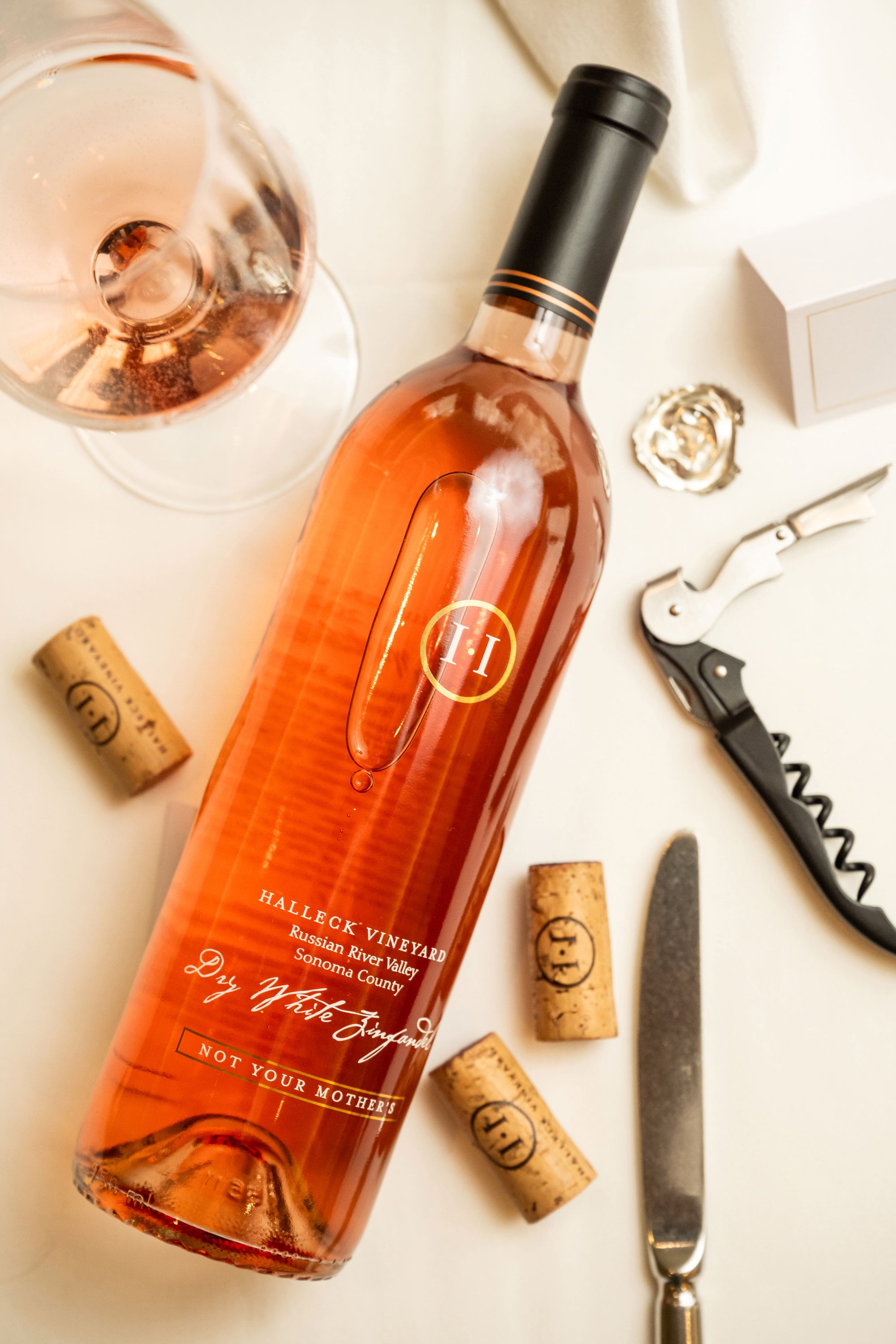
Consider the affect of terroir as you engage in a winery tasting. Terroir encompasses the distinctive environmental factors that have an result on grape growing, together with soil composition, climate, and geography. Understanding a wine's terroir can present insight into its flavors and aromas, fostering a deeper appreciation for the alternatives made during its cultivation and production.
Schooling plays a elementary function in enhancing one's capacity to gauge wine flavors. Studying about grape varieties, wine regions, and manufacturing methods can pave the way in which for extra informed judgments during tastings. Moreover, attending workshops or classes can refine sensory skills and increase your flavor vocabulary, enabling you to articulate tasting notes extra effectively.

Finally, it is essential to do not overlook that evaluating wine flavors is a highly personal experience. Individual preferences and perceptions will invariably shape one’s tasting journey. Enjoyment ought to be at the forefront, with the evaluation process appearing as a device to reinforce understanding and appreciation quite view it than create inflexible tips.
Wineries Near Sonoma Square - Sonoma Wine Tasting Tour
In conclusion, mastering tips on how to evaluate flavors in winery wine tasting periods includes a mix of sensory engagement, knowledge, and practice. By learning to identify aromas, assess the stability, and recognize the intricacies of flavor, wine enthusiasts can deepen their connection to every bottle they encounter. As with any art form, the more one immerses themselves in the experience, the more they'll uncover and benefit from the huge world of wine.
- Start by observing the wine's shade and readability, as these visible elements can hint at its flavor profile and aging potential.
- Swirl the wine gently in your glass; this releases aromatic compounds, allowing you to raised determine the complicated scents associated with the wine.
- Take a deep inhale before tasting, focusing on both primary and secondary aromas to collect insights on fruits, spices, and other nuances.
- When tasting, allow the wine to coat your palate; note the initial flavors, the mid-palate complexity, and the finish as these stages can provide different flavor highlights.
- Pay attention to texture and mouthfeel, as aspects such as tannin ranges, acidity, and sweetness contribute considerably to the general tasting experience.
- Compare flavors in opposition to commonplace wine traits; for pink wines, consider berry notes, oak influence, and natural tones, whereas whites could embody citrus, stone fruits, and floral hints.
- Take notes in the course of the tasting session to trace your impressions, serving to you to remember and evaluate the different wines sampled.
- Focus On your findings with fellow tasters or winery workers, as sharing insights can improve understanding and appreciation of particular person flavors.
- Permit time for the wine to breathe; typically, flavors evolve and reveal new dimensions after being exposed to air.
- Experiment with food pairings during the tasting as they'll dramatically alter how flavors are perceived, influencing general enjoyment.undefinedWhat should I look for when evaluating the aroma of wine throughout a tasting?
Begin by swirling the wine in your glass to release its aromas. Bring the glass to your nose and take a deep breath. Pay consideration to the primary scents you detect, as these are often the most distinguished. Look for fruit, floral, herbal, or earthy notes and try to establish particular characteristics, which will deepen your understanding of the wine's complexity.
Wineries Offering Private Events - Sonoma Wine Retreats

How can I distinguish between different flavor profiles in wine?
Perceive that flavor profiles are often categorized as fruit, floral, herbaceous, spicy, or mineral. Take small sips and allow the wine to coat your palate. Discover the primary flavors that emerge first and the refined notes that comply with. This layering is crucial in distinguishing the wine's characteristics and can help you recognize its unique profile.
Elegant Wine Tasting Locations In Sonoma - Sonoma's Finest Wineries
What is the importance of the wine's texture in a tasting?
The texture of the wine, also known as mouthfeel, plays a vital role in how we understand flavors. Pay attention as to if the wine feels easy, creamy, or gritty. The body of the wine (light, medium, or full) can enhance or distinction with flavors, providing a extra rounded experience during tasting.
How go to the website do I assess the stability of flavors in wine?
Steadiness in wine refers back to the harmony between acidity, sweetness, tannin, and alcohol. Take a second to assess whether these components complement or intervene with one another. A well-balanced wine could have none of its components overpowering the others, creating a pleasing tasting experience.
Wineries With Unique Varietals - Sebastopol Area Wine Tasting
What role does temperature play in evaluating wine flavors?
Temperature can considerably impact the notion of flavors. Generally, pink wines are best served barely below room temperature, whereas white wines benefit from being chilled. As the temperature adjustments, the aromas and flavors can shift, allowing you to understand completely different characteristics. It’s important to taste wine at its optimum temperature for true analysis.
Wineries Featuring Seasonal Wine Events In Sonoma - Sonoma's Hidden Winery Gems
How can I enhance my tasting skills over time?
Practice is key to enhancing your tasting skills. Wineries Near Highway 12. Attend tastings, keep a journal of your experiences, and explore several types of wines to broaden your palate. Moreover, learning about wine manufacturing and grape varieties can present context that enhances your analysis course of, making you a extra informed taster.
Is there a selected order by which I ought to taste the wines?
Wineries That Offer Barrel Tastings - Sebastopol Vineyard Experiences
Sure, it’s advisable to style wines from light to full-bodied and dry to candy. This development prevents the stronger flavors from overshadowing the more delicate ones, allowing you to totally recognize every wine's traits and nuances with out palate fatigue.
How can I evaluate the aftertaste of wine?
Remarkable Craft Wineries In Sebastopol - A Winery In The Sonoma Valley To Discover
The aftertaste, or finish, is a vital facet of the wine-tasting experience. After swallowing, take note of how long the flavors linger on your palate and whether they change. A lengthy, nice end is commonly an indicator of a high-quality wine, whereas a brief or disagreeable finish might suggest otherwise.
Why is it important to notice the wine’s acidity throughout tasting?
Acidity contributes to the general freshness and structure of the wine. Pay attention to the tingling sensation in your tongue; larger acidity can improve the wine's liveliness and stability out sweetness. Noting acidity helps determine the wine's versatility with food and its aging potential.
What ought to I do if I wrestle to determine specific flavors in wine?
Wineries Offering Off The Beaten Path Experiences - Enjoying Wine In Sebastopol
Struggling to identify flavors is common, especially for beginners. Focus on broader categories and describe what you can recognize, such as candy or earthy notes. With practice, studying about completely different flavor profiles, and maybe utilizing flavor wheels, you will refine your senses and develop a more nuanced strategy to tasting.